Garage Door Maintenance in Cookeville, TN
The visit covers every part that moves or bears weight: loose settings get corrected, dry points get lubricant, and anything wearing out is called out while it still works.
Cookeville gets about 60 inches of precipitation a year, and a door used daily feels it. Booking a visit means a worn spring or frayed cable gets dealt with when it suits you, not on the morning the door will not budge.
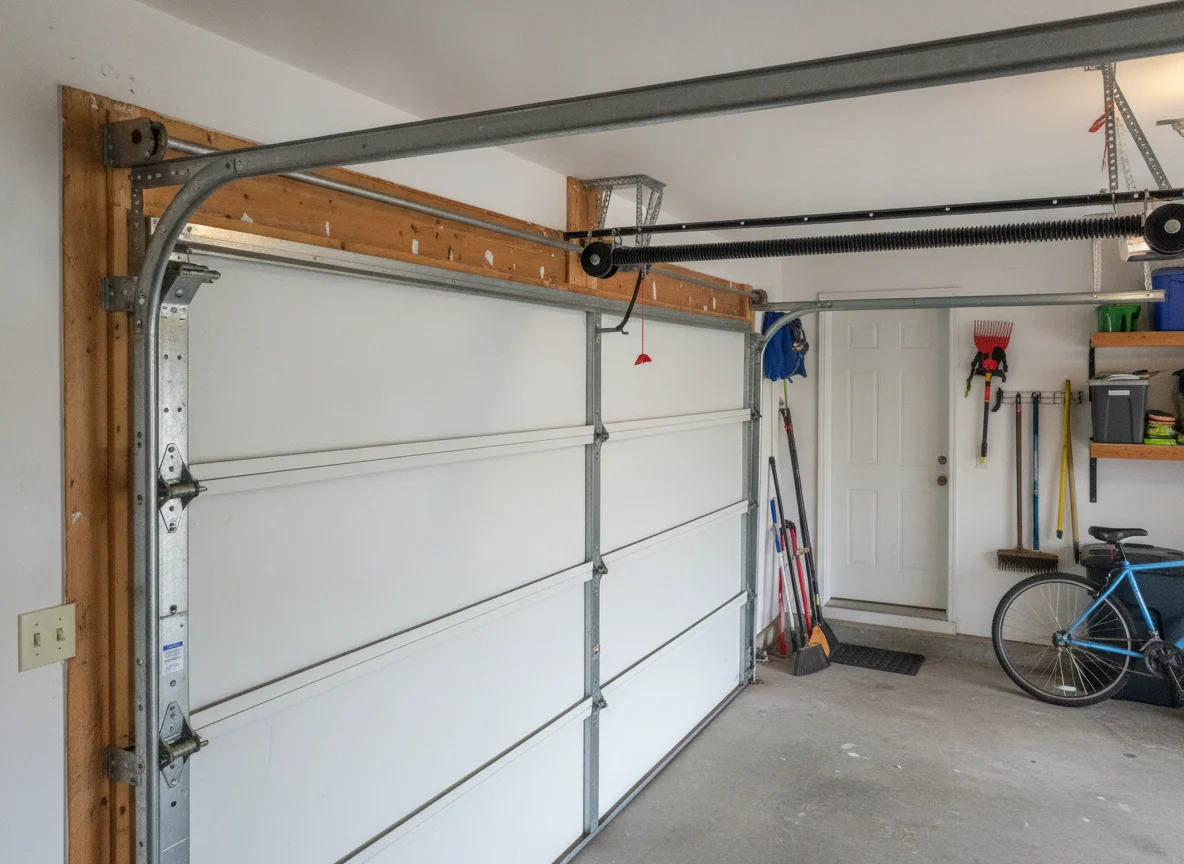
Parts a visit looks at
Springs
Every coil is inspected for gaps, stretching and rust, then balance is tested.
Cables
Strands checked for fraying or rust near the bottom brackets, with tension compared left against right.
Wheels and hinges
Wobbly or cracked pieces get noted; bearings and pivots get a little lubricant.
Track
Bends and loose brackets are looked for, grime wiped off, alignment verified.
Fasteners
Hinge, bracket and track bolts get tightened, as vibration loosens them over time.
The opener
Chain or belt slack set, plus open and close travel limits and closing force.
Auto-reverse test
On the way down, the door has to turn back when something crosses the beam or blocks its path.
Bottom seal and weatherstripping, inspected for tears that let in rain and pests.
You walk away knowing exactly which parts are tired and the reason, free to repair them right away or keep watching.
Is the door louder, jerkier or slower than before? Describe the change you have noticed.
Contact UsWhen to book a check
It has gotten louder: grinding, squealing, or a clunk as it reaches the top or bottom.
It lurches along or drags partway up.
It slams shut, or one side touches down well before the other.
The motor strains and sounds heavier than before.
Nobody recalls the last inspection, and the door runs several times a day.
Say what the door is doing
Plain words are fine here; there's no need to name the part you suspect, or to know what has gone wrong.
Checks you can do yourself
These quick checks can surface trouble early:
Once a month, stand inside with the door shut and look over the springs and cables. Spot a gap between coils or broken strands, and keep your hands off both.
Try the auto-reverse
Set a 2x4, or even a full roll of paper towels, on the floor under the closing door. It should touch the object and go back up. If not, leave the opener unused until it has been adjusted.
Try the eye beam
Hold something in front of the sensor eye as the door descends. It should stop and reverse.
Oil only where it belongs
Spray the hinges, roller bearings and springs using a product made for garage doors. The rails stay dry and clean, and thick grease is a bad idea since grit sticks to it.
Keep the rails and the floor below the door clear. With about 6 inches of snow in a typical Cookeville year, ice can bond the seal to the slab, and forcing a frozen door open can tear the seal.
Visit rhythm
How often depends on how heavily the door is used. A main family entrance cycling constantly deserves a closer eye than a door that rarely moves. Cookeville's record low is -22 F, so a check ahead of the first hard freeze is wise; cold is when weak springs tend to give.
Once a year works for most households; heavy users may want it sooner, light users later.
Factors behind a maintenance quote
Size of the door, single or double width, and whether the opener is included.
Anything found worn mid-visit, such as a roller, hinge, bottom seal or aging cable. Request a separate figure for those parts, apart from the tune-up, so you stay in control of the decision.
How much the adjustments have slipped over time
Years of neglect mean a longer reset than a door that has had steady attention.
Times a tune-up won't help
Checkups suit a door that still runs. Once a part has broken, head for the matching repair page:
Questions we hear
Does a newer door still need a checkup?
Yes, if it's busy. Springs and rollers age with each cycle, not the calendar, so a heavily used newer door can still wear them out early.
Can regular checks stop a spring from breaking?
No spring lasts indefinitely. A checkup's value is catching one that is close to failing, so you can schedule the swap rather than finding out when it breaks.
Which lubricant is right?
Pick a garage-door spray lubricant, silicone or lithium. Household oil gums up and heavy grease attracts dirt.
More garage door services
Garage Door Spring Repair
When a torsion or extension spring breaks, it is swapped for one rated to lift your door.
See details →Garage Door Cable Repair
Fraying, snapping or jumping cables, and the lopsided door left behind.
See details →Garage Door Opener Repair
Motors that hum, bounce back or won't respond, plus replacements where repair is a poor bet.
See details →Reach out
Share the door and opener's age, how often it runs, and anything new it does: a noise, a jerk, a sluggish close.
Bought the house recently? Mention that. For larger jobs, you can look up a contractor on the Tennessee Board for Licensing Contractors site.